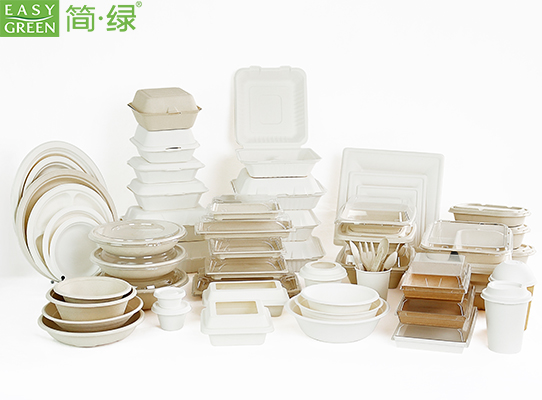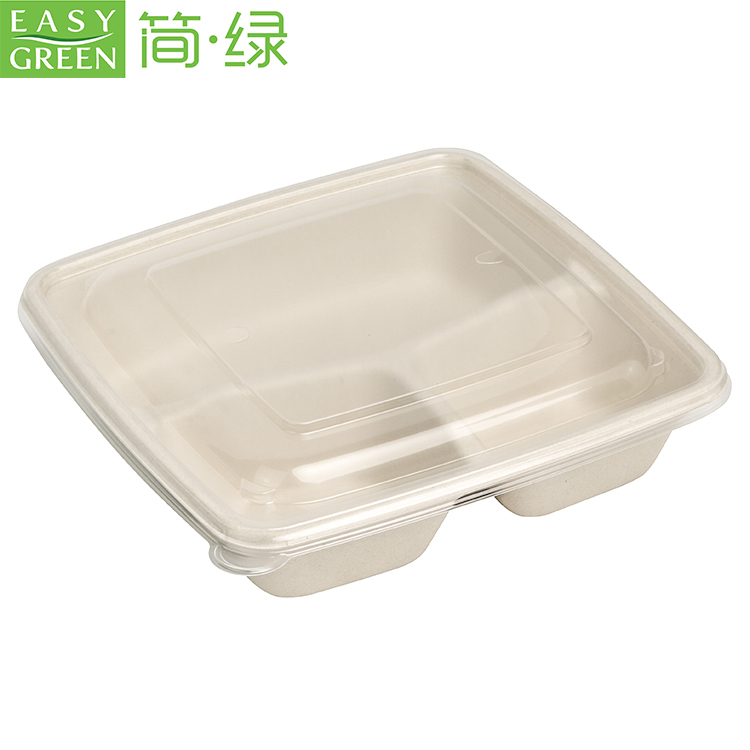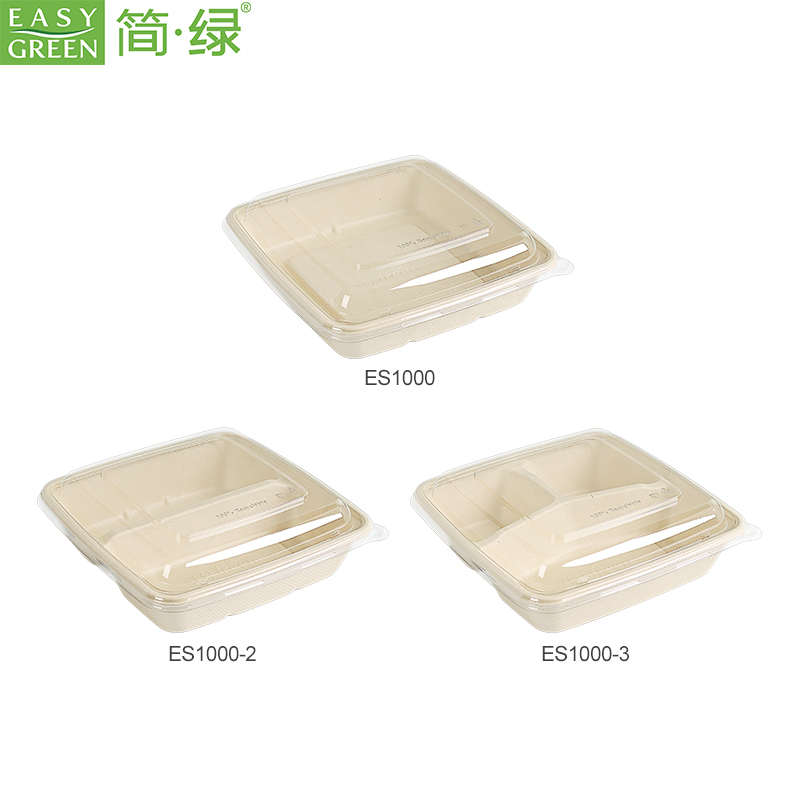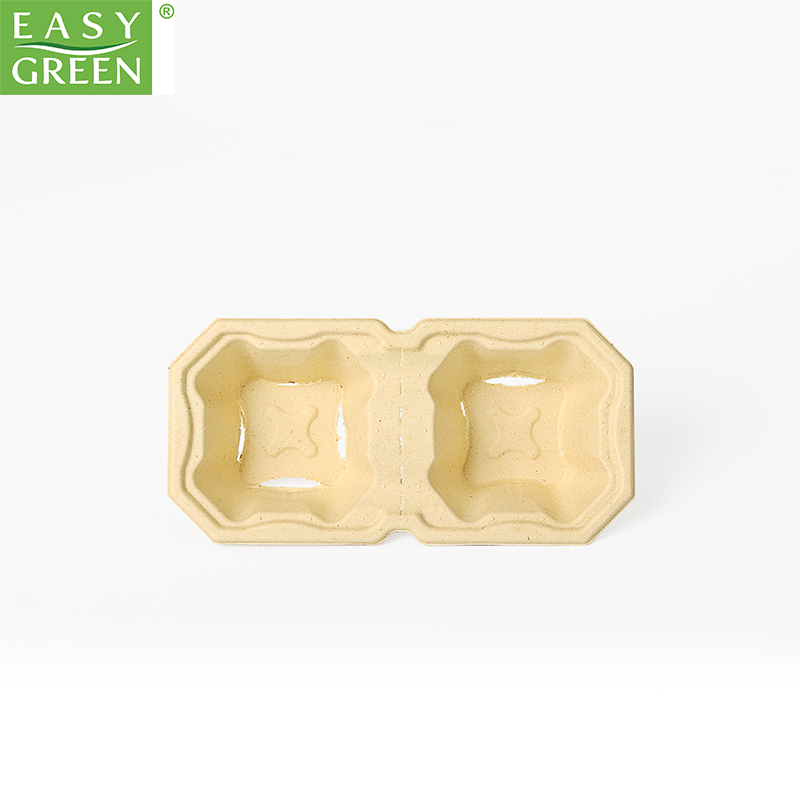
In an era where environmental consciousness is reshaping consumer behavior and corporate strategies, sugarcane bagasse—a fibrous byproduct of sugarcane processing—has emerged as a game-changer in the food packaging industry. Once considered agricultural waste, bagasse is now being transformed into eco-friendly takeout containers that address both the demand for convenience and the urgency of reducing plastic pollution.
1.Biodegradability and Compostability
Unlike traditional plastic containers, which take centuries to decompose, sugarcane bagasse containers break down naturally within 60–90 days under commercial composting conditions. They leave no toxic residues, making them a closed-loop solution that aligns with circular economy principles.
2.Renewable and Resource-Efficient
Bagasse is derived from sugarcane waste, a renewable resource that requires no additional land or water to produce. By repurposing this byproduct, manufacturers reduce reliance on fossil fuels and minimize agricultural waste. For instance, converting bagasse into containers diverts millions of tons of waste annually from landfills and incineration.
3.Functional and Safe
These containers are microwave-safe, freezer-friendly, and resistant to water and oil, making them ideal for hot, cold, or greasy foods. Unlike plastic, they do not leach harmful chemicals when exposed to heat or acidic ingredients, ensuring food safety. Additionally, bagasse’s natural texture provides a premium, rustic aesthetic that appeals to eco-conscious consumers.
3.Carbon Footprint Reduction
The production of bagasse containers generates significantly lower greenhouse gas emissions compared to plastic alternatives. A 2024 study highlighted that substituting plastic packaging with bagasse-based solutions could reduce carbon emissions by up to 70% in the foodservice sector.
· Regulatory Pressures: Governments worldwide are banning single-use plastics, pushing businesses to adopt compostable alternatives. For example, the EU’s Single-Use Plastics Directive and California’s plastic reduction laws have accelerated demand for bagasse containers.
· Consumer Preferences: A 2025 survey revealed that 68% of consumers prioritize brands that use sustainable packaging, with bagasse ranking among the top choices for its natural origin and biodegradability.
· Corporate Sustainability Goals: Major food chains like Starbucks and McDonald’s are phasing out plastic packaging, creating opportunities for bagasse suppliers to scale production.
Innovations on the Horizon
Researchers are enhancing bagasse’s durability and versatility through advanced manufacturing techniques. For instance:
Bio-Based Coatings: Water-resistant coatings derived from plant oils or algae are replacing synthetic linings, ensuring full compostability.
Sugarcane bagasse takeout containers represent a win-win for businesses and the planet. They offer a practical, cost-effective alternative to plastic while reducing waste and carbon emissions. As innovation continues to refine their performance and scalability, bagasse is poised to dominate the sustainable packaging landscape. For consumers, choosing bagasse means enjoying convenience without compromising the health of the planet—a small change with profound impacts.
 English